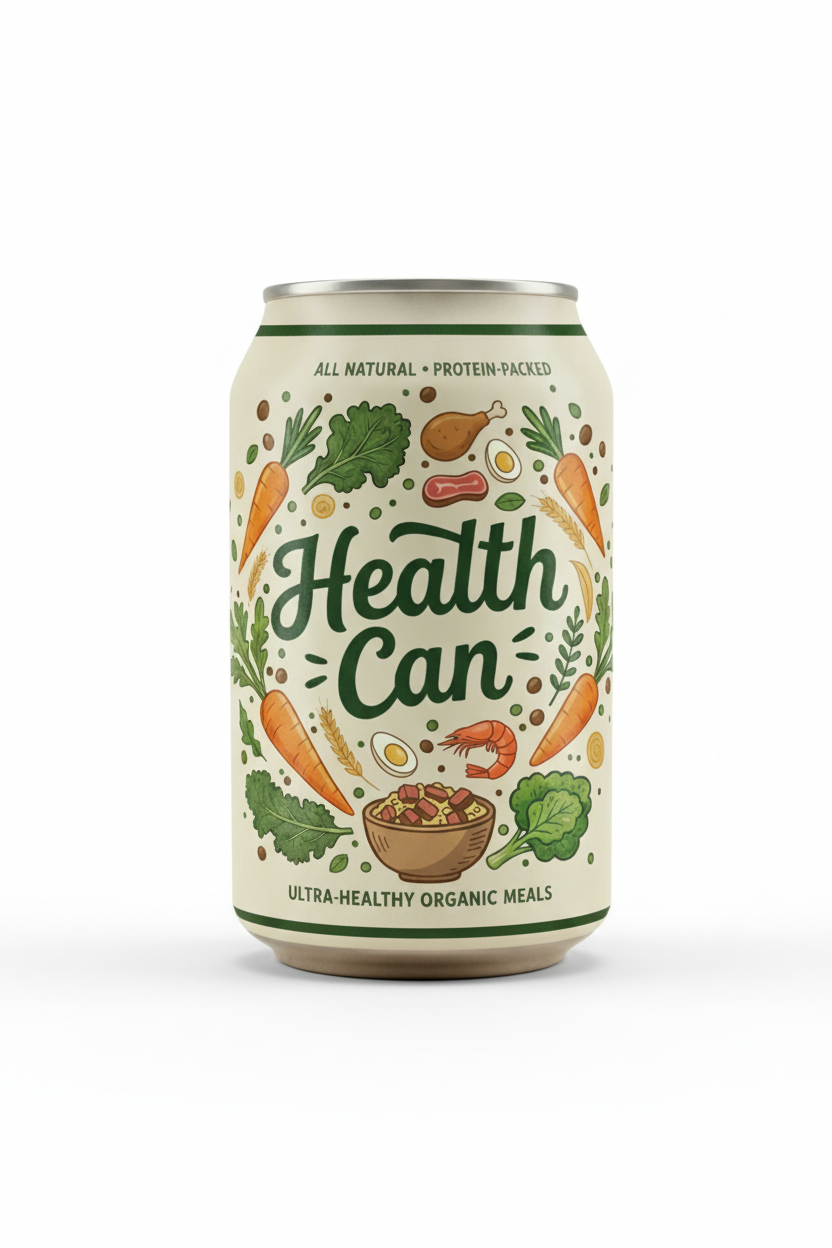
Innovation Brief//5 min read
Field Notes on the Next Wave of Sustainable Eating
A practical look at the emerging food innovations making low-waste, nutrient-dense eating easier to store, ship, cook, and actually enjoy.
Notes on emerging food innovation: shelf-stable meals, low-waste systems, climate-aware ingredients, and the practical details that make better eating easier to repeat.
A practical look at the emerging food innovations making low-waste, nutrient-dense eating easier to store, ship, cook, and actually enjoy.

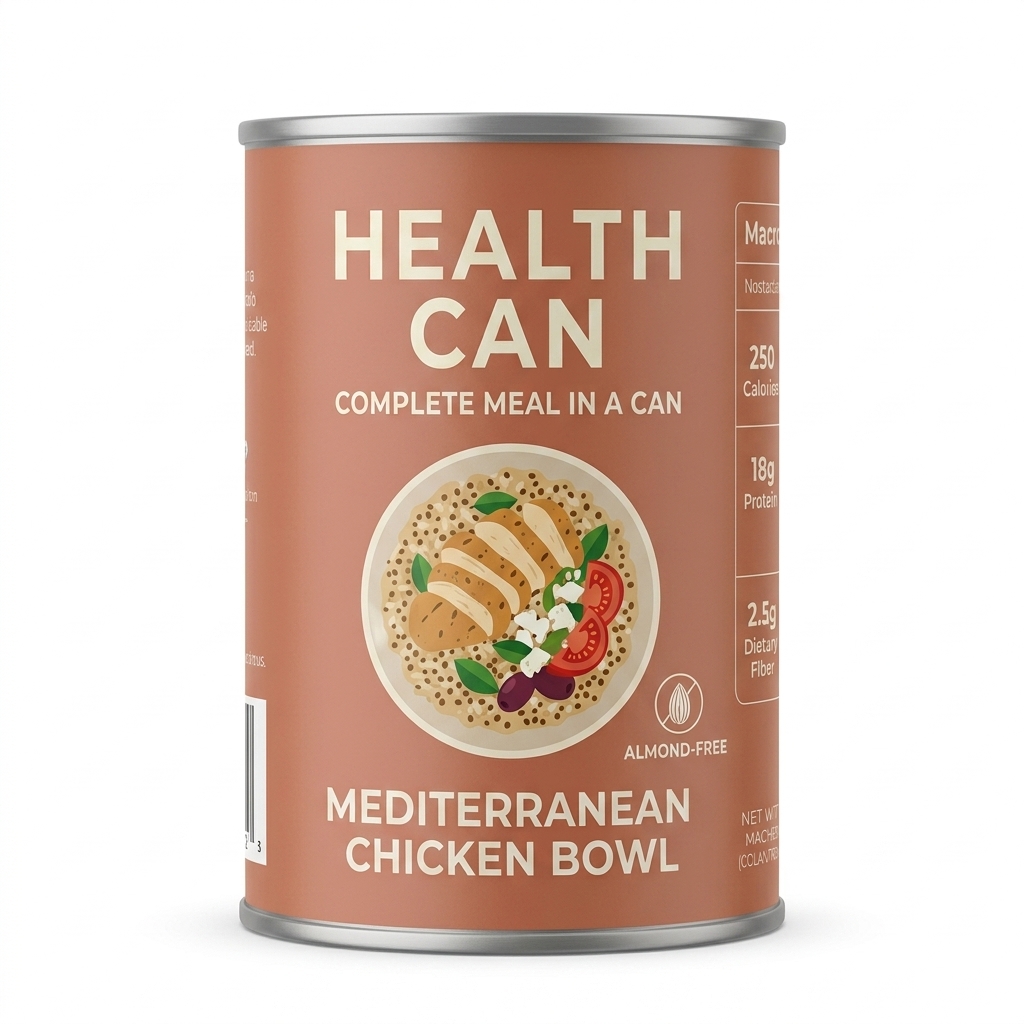
An in-depth look at how modern food science allows healthy canned meals to remain shelf-stable for a full year using only clean ingredients.

Ditch the chemical-laden freeze-dried rations. Discover how to pack clean, organic emergency food for your next outdoor excursion.
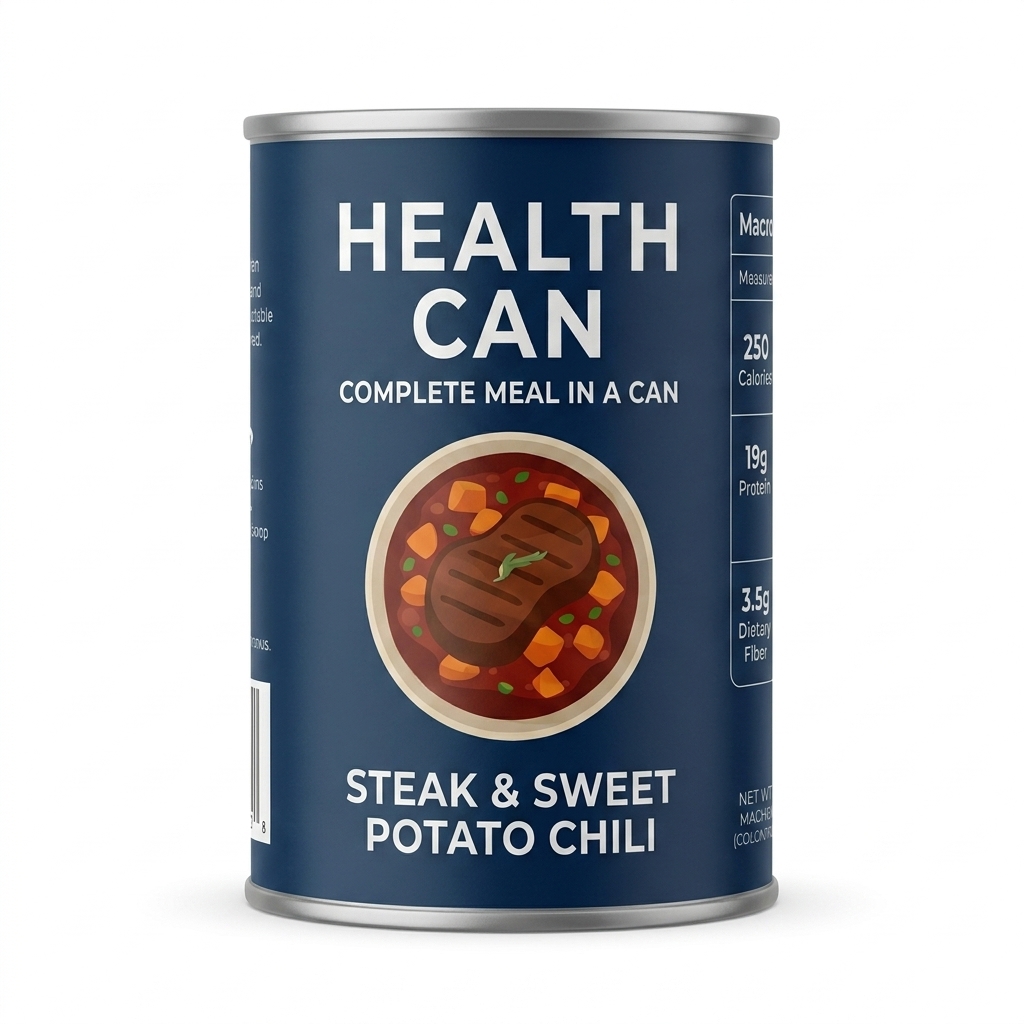
A practical look at how legumes, whole grains, and high-fiber shelf-stable meals are moving from nutrition talking point to smarter low-waste pantry strategy.
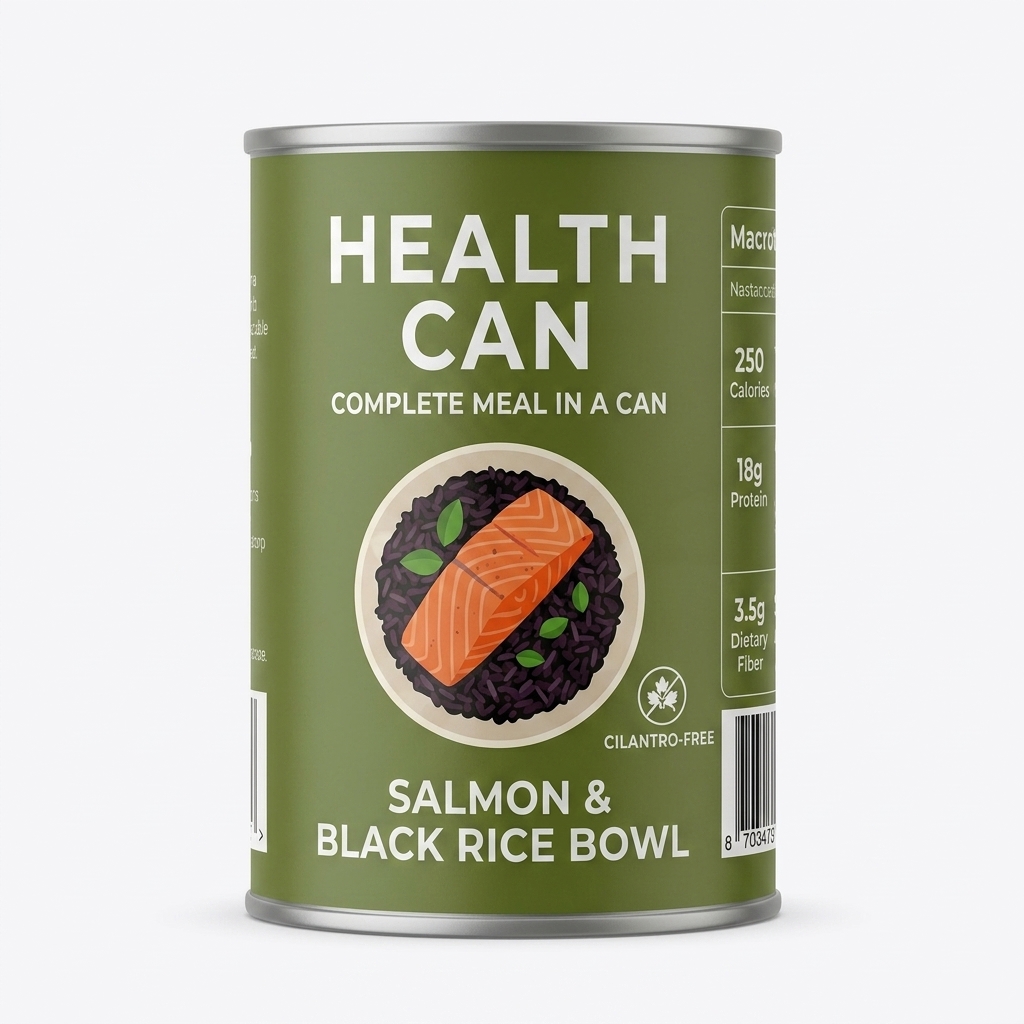
Seaweed, water lentils, and responsibly sourced seafood are moving from niche talking points into practical shelf-stable formats that make sustainable eating easier to repeat.
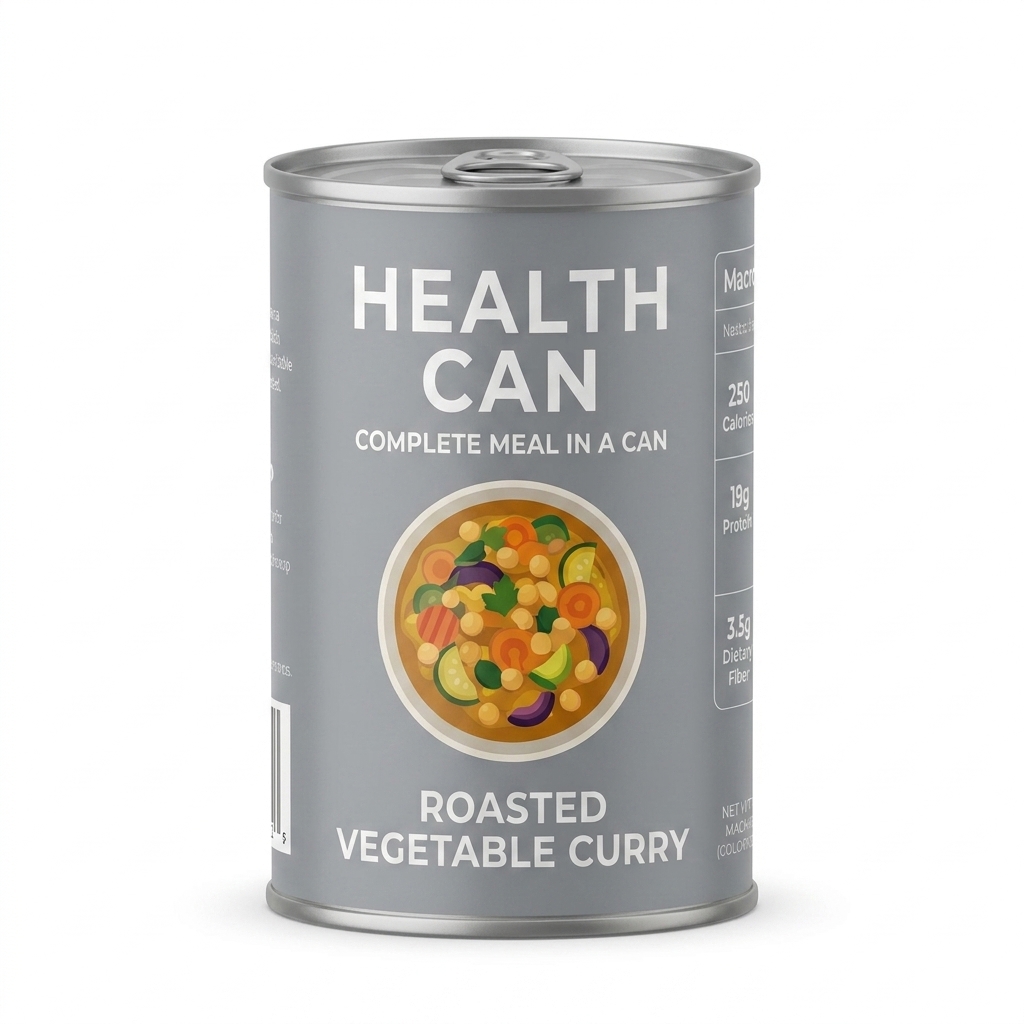
Upcycled grains, fruit side streams, and recovered pantry ingredients are moving from novelty products into practical meal formats that can cut waste without making dinner more complicated.
Diverse grains, perennial crops, and underutilized ingredients are moving into practical shelf-stable foods that make low-waste, climate-aware eating easier to repeat.
Recognizable plant proteins, cleaner formulations, and smarter hybrid ingredients are moving sustainable eating beyond fake-meat theater and into practical pantry meals.

Mycoprotein, microbial biomass, and fermentation-built ingredients are moving from future-food talking points into practical pantry formats that make sustainable eating easier to repeat.
Smart packaging, clearer date labels, and AI-backed shelf-life tools are turning food waste reduction into a more practical way of eating well from the pantry.