Why the Blue Pantry Is Emerging as a Sustainable Eating Trend
Seaweed, water lentils, and responsibly sourced seafood are moving from niche talking points into practical shelf-stable formats that make sustainable eating easier to repeat.
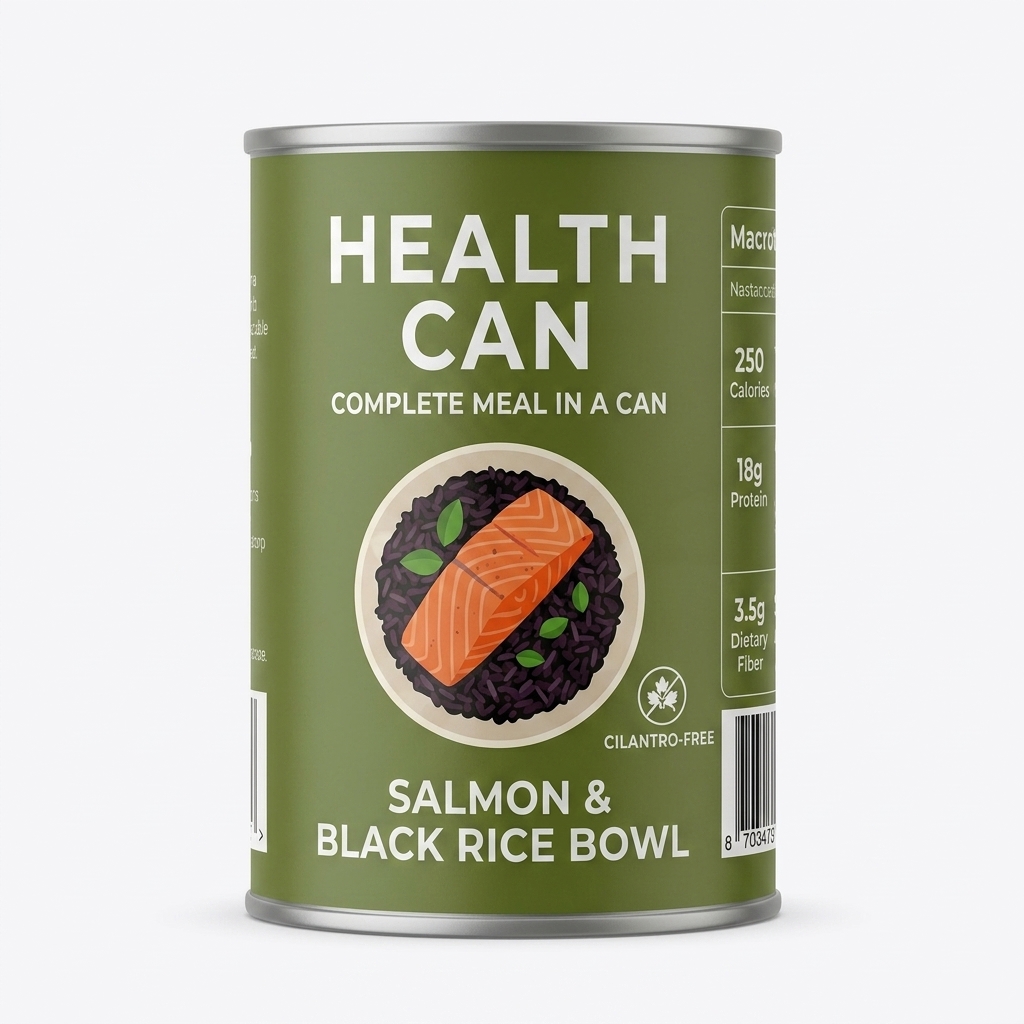
Sustainable eating is moving closer to the water
A useful food trend is forming around what some operators now think of as the blue pantry: shelf-stable meals and ingredients built around sea vegetables, aquatic plants, and responsibly sourced seafood. This is not just a restaurant story. It is showing up in retail trend forecasting, new ingredient approvals, and product development aimed at people who want practical meals instead of sustainability theater.
What makes the trend worth watching is that it solves several constraints at once. Aquatic ingredients can bring protein, minerals, and variety into formats that store well and travel well. For consumers trying to eat with a lighter footprint without turning every meal into a project, that combination matters more than novelty.
Seaweed and water lentils are getting real market traction
Whole Foods Market's 2025 trend forecast singled out plant-based aquatic ingredients as an area to watch, pointing to growing interest in seaweed, sea moss, and other water-grown foods showing up in everyday products. That kind of retail signal matters because it usually appears after buyers start seeing enough supplier activity and consumer curiosity to justify shelf space.
The more concrete development came in 2025, when Wageningen University & Research reported that duckweed, also known as water lentils, received official approval in the European Union as a fresh vegetable after years of safety and nutrition work. That is a meaningful shift from concept to commercialization. Once an ingredient moves through real regulatory review and into packaging, freezing, soup, or prepared-meal applications, it stops looking hypothetical.
The practical win is format, not just ingredient science
The strongest sustainable food innovations usually are not the ones with the most futuristic branding. They are the ones that fit into how people already shop and eat. Seaweed flakes, broth boosters, bean-and-fish pairings, pantry soups, grain bowls, and savory sauces all make aquatic ingredients easier to use without requiring a total rewrite of someone's cooking habits.
That is where shelf stability becomes important. A nutrient-dense ingredient does not help much if it is fragile, unfamiliar, or easy to waste at home. When aquatic ingredients show up in dependable pantry formats, they become fallback meals instead of aspirational purchases. That makes them more repeatable, and repeatability is where sustainable eating starts to matter.
A better blue pantry still depends on disciplined sourcing
This trend is promising, but it is not automatically virtuous. 'Ocean-based' can become lazy marketing if brands do not explain sourcing, harvesting practices, species choice, or what role an ingredient actually plays in the meal. The next stage of this category will belong to companies that can show why an aquatic ingredient improves resilience, nutrition, or waste reduction instead of simply sounding interesting.
That is also why this space pairs well with cans and other durable formats. If a brand is asking consumers to try ingredients that feel new, the surrounding product has to feel trustworthy. Clear labeling, stable storage, familiar meal formats, and accountable sourcing give the trend a chance to become useful infrastructure instead of just a specialty-store curiosity.
What Health Can readers should watch next
Expect more crossovers between aquatic ingredients and pantry staples rather than a sudden wave of extreme products. The strongest examples will probably look simple: soups thickened with sea vegetables, grain bowls layered with responsibly sourced fish, instant cups with mineral-rich broths, and ready meals that use aquatic plants to add nutrition without heavy processing.
For Health Can's audience, the takeaway is straightforward. The next sustainable eating upgrade may not be another fragile fresh-food promise. It may be a better pantry system built around ingredients that can be grown or harvested efficiently, stored reliably, and turned into meals you will actually finish on an ordinary weeknight.