Why the Post-Imitation Protein Pantry Is the Sustainable Eating Trend to Watch
Recognizable plant proteins, cleaner formulations, and smarter hybrid ingredients are moving sustainable eating beyond fake-meat theater and into practical pantry meals.
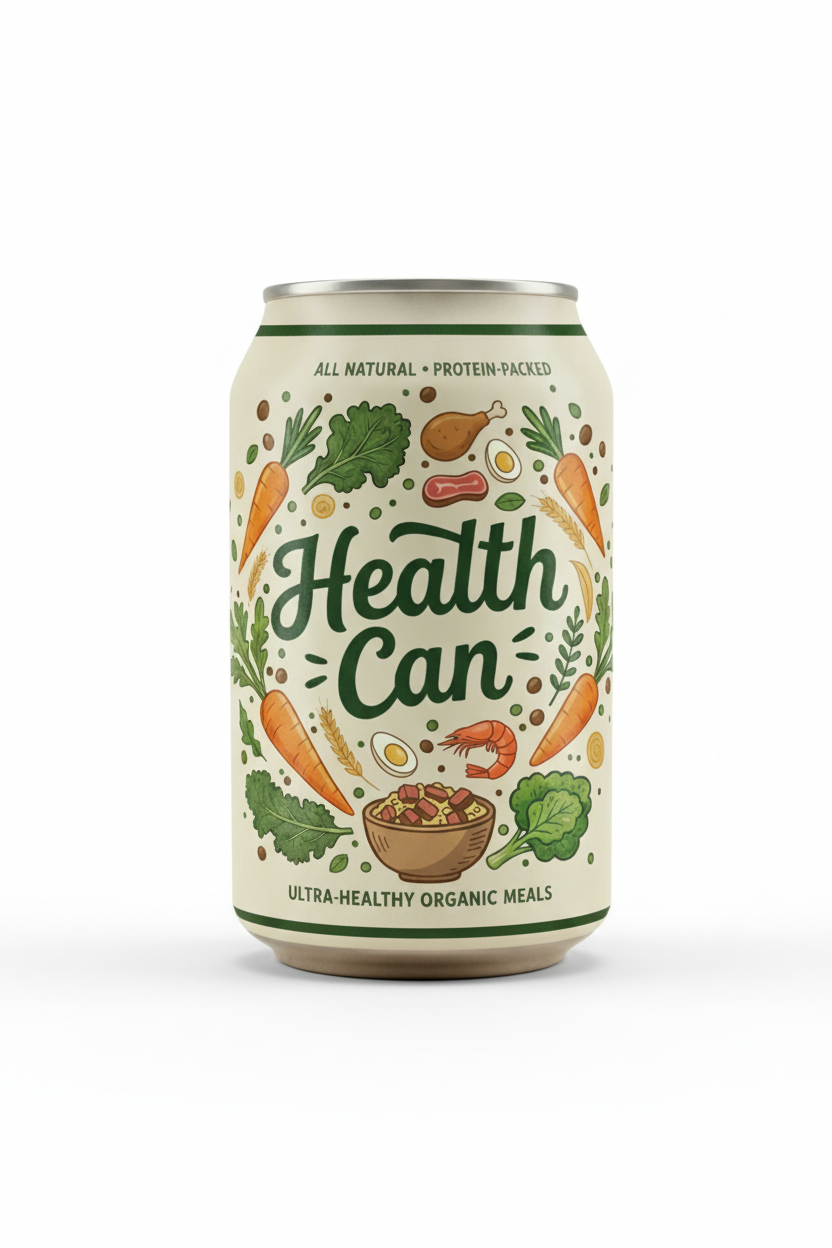
Sustainable protein is getting quieter and more useful
One of the strongest food shifts in 2026 is not another attempt to make everything look like a burger. It is a move toward what you could call the post-imitation protein pantry: meals built around recognizable proteins, shorter ingredient decks, and formats that feel like normal food first. Instead of chasing novelty alone, product developers are working on plant-forward bowls, bean-based meals, grain-and-legume blends, and fermentation-supported ingredients that deliver nutrition without asking consumers to decode a science project.
That is good news for sustainable eating because the most durable changes rarely come from spectacle. They come from foods that taste familiar, store well, and fit into an ordinary weeknight. For Health Can readers, this trend matters because it moves protein innovation closer to real pantry behavior rather than niche identity shopping.
The market is moving from mimicry toward recognizable ingredients
Recent market reporting points in the same direction. Innova Market Insights has framed 2026 plant-based innovation around 'authentic plant-based' products, arguing that the category is shifting away from imitation and toward natural nutrition, less processing, and ingredients consumers can actually recognize. That is a meaningful change. It suggests brands increasingly understand that credibility now comes from whole-food logic, not just from reproducing the look of meat or dairy.
The Good Food Institute's latest state-of-the-industry coverage reinforces the point by treating plant-based, fermentation-enabled, and other alternative proteins as a broader innovation stack rather than a single retail fad. In other words, the opportunity is no longer just to copy legacy foods. It is to build better ingredients and better meal systems.
Protein diversity is widening the pantry bench
This next phase is showing up in the ingredient roster. IFT reporting from late 2025 and 2026 highlights fava beans, sunflower proteins, lentils, and other pulse- or seed-based inputs as rising tools for developers who want cleaner taste, lighter color, better functionality, and stronger sustainability stories. Some of the most interesting work is happening behind the scenes: improved extraction, enzymatic treatment, and fermentation methods that make these proteins easier to use without burying them under additives.
That widens the practical bench for shelf-stable meals. A sustainable protein strategy no longer has to depend on one hero ingredient. It can combine beans, grains, seeds, vegetables, and carefully chosen animal proteins when useful, creating meals that are nutrient-dense, flexible, and easier to source across different conditions.
Why this trend fits low-waste pantry eating
The shelf-stable angle matters because protein innovation does not help much if the final product is fragile, expensive, or easy to abandon in the refrigerator. Pantry-ready formats turn sustainable protein into something repeatable: chili built on beans and grains, curry with legume-forward texture, soups thickened with pulse ingredients, or hybrid recipes that reduce pressure on resource-intensive inputs without sacrificing satisfaction.
This is where sustainable eating becomes practical. A meal built from diversified proteins and designed for storage can reduce spoilage risk at home, lighten dependence on ultra-perishable staples, and make it easier to keep nutritious food in rotation when fresh plans fail. Convenience is not the enemy here. Waste and non-use are.
What Health Can readers should watch next
Expect the next wave of sustainable meal innovation to look more grounded than the last one. More protein-forward pantry foods built on pulses and intact grains. More ingredient labels that read like food instead of engineering demos. More hybrid systems that use fermentation, better processing, or diverse crop inputs to improve nutrition and resilience without pretending every meal has to imitate steak.
For Health Can's audience, the takeaway is straightforward. The post-imitation protein pantry is promising because it makes sustainable eating less ideological and more usable. The future may belong to meals that store easily, waste less, and get their protein from a broader, smarter mix of ingredients people are actually willing to eat again.