Why the Circular Pantry Is the Next Sustainable Eating Trend to Watch
Upcycled grains, fruit side streams, and recovered pantry ingredients are moving from novelty products into practical meal formats that can cut waste without making dinner more complicated.
The next sustainability upgrade may be hiding in the side stream
A useful food trend for 2026 is not another fragile superfood. It is the rise of the circular pantry: meals and ingredients made from nutritious side streams that used to be ignored, downgraded, or discarded. Think spent grains turned into flour, fruit pulp reworked into fibers or snacks, and byproducts from existing food production becoming stable ingredients with a second life.
What makes this trend worth taking seriously is that it is moving beyond sustainability language and into actual product design. When an ingredient can recover value from food already grown, reduce pressure on raw inputs, and still fit into a familiar meal, it stops being a concept piece. It becomes practical infrastructure.
Why upcycling is getting real traction now
The timing is not random. ReFED's 2026 U.S. food waste reporting says nearly one third of the U.S. food supply still goes unsold or uneaten, which keeps pressure on brands to find better uses for edible material already in the system. That scale of waste makes side-stream recovery more than a nice add-on. It makes it a serious operating question.
At the same time, the Upcycled Food Association is signaling that the category has more structure than it did a few years ago. Certification standards, a growing membership network, and industry events focused on upcycled science all point to a market that is shifting from quirky one-off launches toward more disciplined commercialization.
The real innovation is ingredient format, not just virtue
The strongest circular-food products are usually the least theatrical. Instead of asking people to decode a new diet, they take recovered ingredients and drop them into formats consumers already understand: broths, grain bowls, sauces, crackers, baking mixes, snack clusters, and pantry-ready entrees. That is a much more durable path than expecting shoppers to buy on mission alone.
IFT's 2026 writing on food waste points in the same direction. The field is moving toward verified, formulation-ready ingredients supported by better measurement, shelf-life modeling, and impact accounting. In other words, upcycling is becoming less about 'made from scraps' storytelling and more about dependable inputs that developers can actually build with.
Why the circular pantry matters for everyday eaters
For consumers, the practical win is simple: a circular pantry can make lower-waste eating easier to repeat. If upcycled ingredients show up in shelf-stable meals, convenient staples, and better snack bases, they help people buy products that recover value without adding more prep, spoilage risk, or decision fatigue to the week.
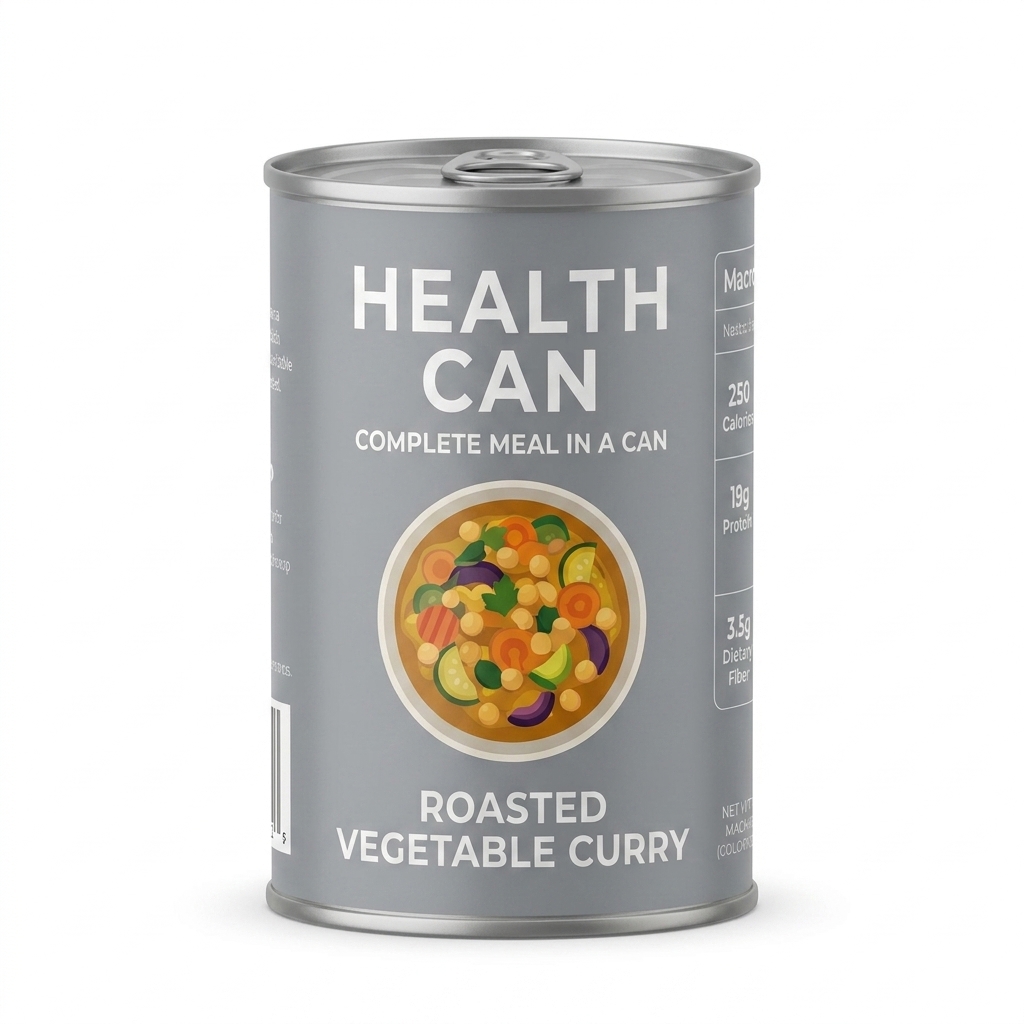
That is especially relevant for Health Can readers, who already care about pantry resilience. A meal does not become sustainable just because it says the right things on the label. It becomes sustainable when people actually finish it, store it easily, and can rely on it when fresh plans fall apart. Circular ingredients work best when they strengthen that repeat-use reality.
What to watch next in sustainable meal innovation
Expect the next phase of this trend to show up less in isolated hero products and more in blended systems: soups thickened with recovered fibers, grain bowls supported by upcycled flours or proteins, sauces built from repurposed produce streams, and prepared meals that quietly lower waste through ingredient sourcing rather than consumer homework.
For Health Can's audience, the takeaway is clear. Emerging sustainable eating innovation is getting better when it works with the food system we already have, rescuing usable nutrition and turning it into meals that hold up in the pantry. The circular pantry is promising because it does not ask people to eat perfectly. It asks food companies to use ingredients more intelligently.