Why the Climate-Resilient Pantry Is the Sustainable Eating Trend to Watch
Diverse grains, perennial crops, and underutilized ingredients are moving into practical shelf-stable foods that make low-waste, climate-aware eating easier to repeat.
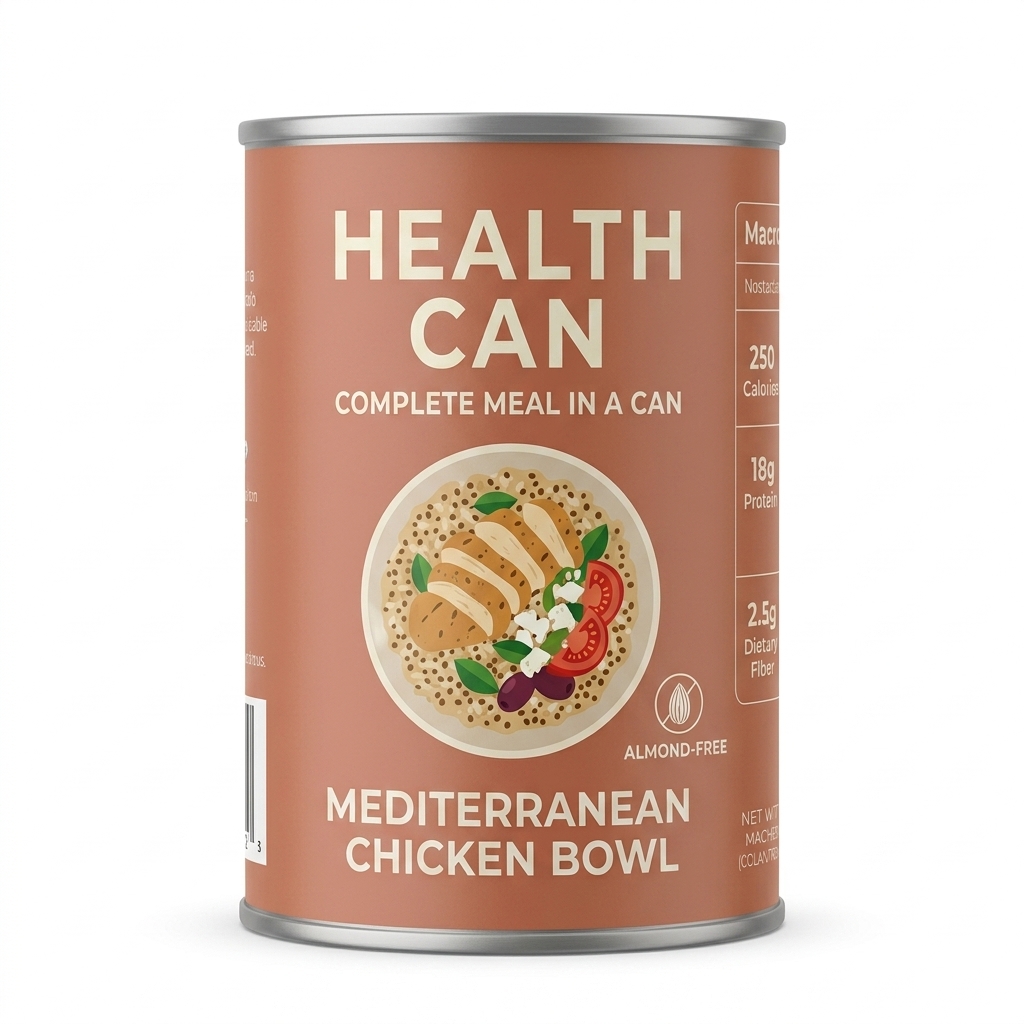
The next pantry trend is not one ingredient but a wider crop bench
A useful sustainable eating shift for 2026 is the move toward what you could call the climate-resilient pantry: everyday foods built from a broader mix of grains, legumes, and perennial crops that can handle tighter resource limits and more volatile growing conditions. Instead of relying on the same narrow set of commodity crops for nearly everything, food developers are starting to treat crop diversity as a practical sourcing strategy.
That matters for Health Can readers because resilient eating is not just about what sounds virtuous on a label. It is about whether the ingredients behind a meal can stay available, nutritionally meaningful, and useful in shelf-stable formats that people actually finish. When diverse crops move into soups, bowls, chilis, and grain-forward entrees, sustainability becomes easier to store and repeat.
Biodiversity is moving from policy language into product development
Recent reporting from the Institute of Food Technologists points to a clear shift: biodiversity is becoming a food-system design issue, not just an ecological talking point. IFT highlights ingredient diversity as a way to improve resilience, nutrition, and sustainability, and shows how underutilized crops are increasingly being translated into market-ready foods instead of staying trapped in research or specialty channels.
That translation step is what makes the trend real. Once climate-adaptive grains, drought-tolerant trees, or perennial cereals start showing up in familiar products, they stop being abstract solutions. They become ingredients that can earn a place in a normal pantry.
The strongest examples are crops that solve multiple constraints at once
IFT's 2025 biodiversity coverage offers a few concrete signals worth watching. Kernza, a perennial grain, is gaining traction because its deep roots help with soil and water outcomes while companies test it in cereals, baked goods, and beverages. The same reporting points to sorghum, rye, heritage wheat, and moringa as climate-adaptive ingredients that can support soil health, nutrition, and more diverse farm rotations.
What connects these ingredients is not novelty for novelty's sake. It is systems efficiency. A crop becomes interesting when it can reduce input pressure, widen sourcing options, and still fit into foods people already understand. That is exactly the kind of constraint-solving that tends to survive past the trend cycle.
Why this trend pairs naturally with shelf-stable meals
FAO's latest land and water reporting makes the broader pressure clear: future food gains will need to come from smarter production and more resilient crop varieties, not simply more land, more water, or more fragile supply chains. Shelf-stable meals fit neatly into that reality because they can stretch the usefulness of thoughtfully sourced ingredients without adding the spoilage risks that come with highly perishable formats.
ReFED's 2026 food waste reporting reinforces the consumer side of the equation. In the United States, perishables still account for most surplus food, while non-perishable pantry products are less prone to spoilage. That does not mean fresh food is the problem. It means resilient ingredients become much more valuable when they are delivered in formats that lower the odds of waste at home.
What Health Can readers should watch next
Expect the next wave of sustainable eating innovation to look less like a single miracle crop and more like a better ingredient roster. More grain bowls built on sorghum or rye, more soups and stews that combine legumes with diverse cereals, more pantry meals using climate-tolerant plants for nutrition and texture, and more brands treating biodiversity as a sourcing discipline rather than a branding flourish.
For Health Can's audience, the takeaway is practical. The climate-resilient pantry is promising because it connects crop diversity, lower waste, and dependable convenience in one place. The future of sustainable eating may feel less exotic than advertised. It may simply look like smarter shelf-stable meals built from a wider, tougher, more thoughtful mix of crops.