Why the Fiber-Forward Pantry Is Becoming a Sustainable Eating Trend
A practical look at how legumes, whole grains, and high-fiber shelf-stable meals are moving from nutrition talking point to smarter low-waste pantry strategy.
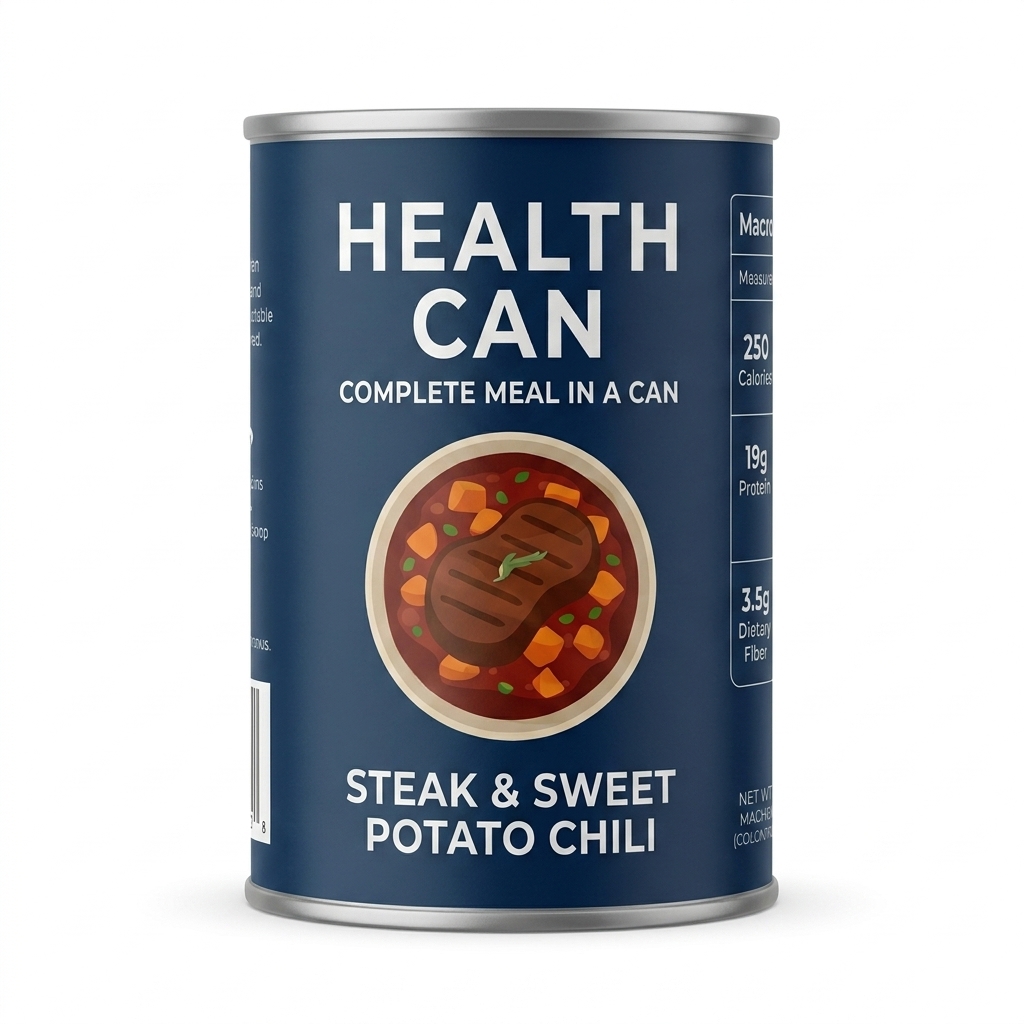
Fiber is moving from wellness metric to meal design
One of the clearest food shifts heading into 2026 is that fiber is no longer being treated like a side benefit. It is becoming a front-of-pack signal for people who want better digestion, steadier energy, and meals that actually feel complete. What matters for sustainable eating is that many of the most fiber-dense ingredients are also the ones that store well and make efficient use of land and water: beans, lentils, chickpeas, oats, barley, and other durable pantry staples.
That combination is powerful. When a meal is built around ingredients that are nutritionally dense, easy to ship, and less likely to spoil quickly at home, sustainability stops being an abstract value and starts showing up in the everyday math of what people actually buy and finish.
The pantry is becoming a delivery system for better plant diversity
A fiber-forward pantry is not just about adding powder to snacks. The more durable trend is whole ingredients showing up in convenient formats: lentil stews, bean-forward chilis, grain bowls, and savory blends that combine vegetables with pulses and intact grains. These formats help people eat a wider mix of plants without needing a weekly meal-prep overhaul.
For Health Can's audience, this is the interesting part. Convenience has usually meant highly refined starches or ultraprocessed shortcuts. The new generation of pantry meals is trying to keep convenience while bringing back ingredient diversity, which is better for satiety, gut health, and resilient sourcing.
Legumes solve more than one problem at once
Beans and lentils keep showing up in sustainable food conversations because they solve multiple constraints at the same time. They are affordable, naturally rich in fiber and minerals, widely recognized by consumers, and well suited to shelf-stable formats. In a market where climate-friendly eating often gets framed as niche or expensive, legumes are one of the rare ingredients that scale without asking people to relearn how to eat.
That practicality matters more than novelty. An ingredient does not become a lasting trend because it photographs well. It lasts because it works in soups, bowls, curries, trail food, emergency kits, and weeknight dinners. Legumes have that range, which is why they are increasingly central to both nutrition strategy and product development.
High-fiber convenience can cut waste at home
A lot of food waste happens after purchase. Consumers buy produce or specialty ingredients with good intentions, then lose them to crowded refrigerators, unpredictable schedules, or simple fatigue. Shelf-stable fiber-rich meals change that equation by keeping nutritious options available when fresh plans fall apart.
This does not replace fresh food. It reduces the pressure to rely on perfect timing. A pantry stocked with meals based on beans, vegetables, and whole grains gives people a fallback that still aligns with their health goals, which can lower takeout dependence and reduce the odds that more fragile ingredients go unused.
What this trend means for the next generation of sustainable meals
The strongest sustainable food innovations are increasingly the ones that make better eating easier to repeat. Fiber-forward meal design fits that rule because it brings together nutrition, affordability, and storage resilience in one package. It is not a flashy technology story. It is a systems story about choosing ingredients and formats that hold up in real life.
For brands like Health Can, the takeaway is clear: practical sustainable eating will keep moving toward pantry-ready meals that use legumes, intact grains, and vegetables intelligently. The future is not just low-waste food. It is low-friction food that people can trust on an ordinary Tuesday.